Creative Writing Font for Handmade Creations
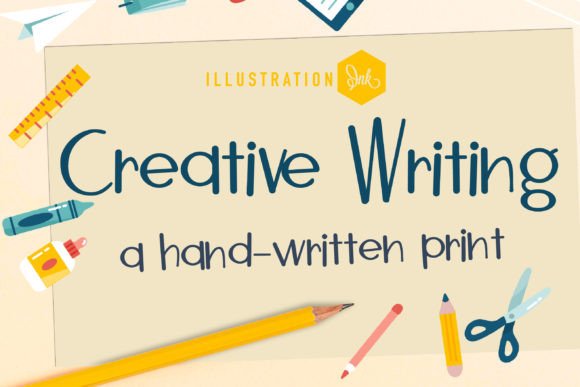
There’s something magical about seeing a handwritten font come to life on a label or a card. I was recently working on a batch of candle labels, and I knew I needed a typeface that felt personal yet polished. That’s when I discovered Creative Writing—a script font that balances elegance with energy. It’s the perfect match for handmade products that want to feel authentic and inviting.
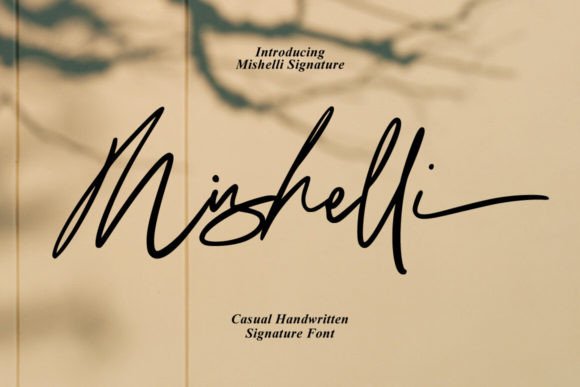
What makes Creative Writing stand out is its unique blend of classic penmanship and modern flair. The curves are soft but intentional, and the strokes carry a sense of movement that feels like it was written by hand. It’s not too formal, nor too casual—it sits right in the sweet spot for creative projects that need a touch of personality.
Using Creative Writing in Real Projects
One of my favorite uses for Creative Writing is on greeting cards. Whether it’s a birthday card or a thank-you note, the font adds a warm, personal touch that feels more like a handwritten message than a printed design. I’ve used it on seasonal cards, and the way it flows across the page gives each card a distinct character.
I also love using it for wedding invitations. The font works well for names, dates, and short phrases, and it pairs beautifully with a simple serif or sans serif for the body text. It brings a vintage feel without being outdated, which is exactly what I want for a rustic or farmhouse-themed event.
For digital printables, Creative Writing is a go-to. I’ve designed printable wall art and planner pages with it, and the font holds up well in both high-resolution prints and digital previews. It’s great for titles, headings, and decorative elements that need a little extra charm.
How Creative Writing Enhances Product Presentation
When you’re running a handmade business, every detail matters. Creative Writing helps elevate the look of product labels, packaging, and shop branding. It gives your items a cohesive, professional feel that customers can instantly recognize. Whether it’s a sticker, a tag, or a sign, the font adds a layer of thoughtfulness that makes your work stand out.
I’ve used it on tote bags and mugs, and the way it looks on fabric is just as striking as it is on paper. It’s readable enough for small text, but still has that artistic flair that makes it perfect for display purposes. It’s especially useful for short phrases like “Handmade with Love” or “From Our Studio to Yours.”
One thing I’ve learned is that Creative Writing works best for short, impactful text. It’s not ideal for long paragraphs, but for titles, headings, and decorative wording, it shines. I often pair it with a clean sans serif font for body text, which creates a nice contrast and keeps the design from feeling too busy.
Practical Tips for Using Creative Writing
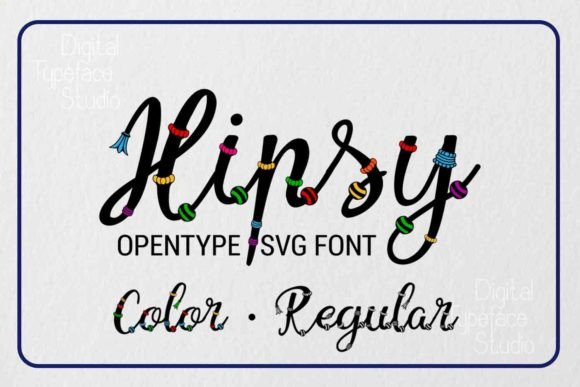
If you’re planning to use Creative Writing for physical products, make sure to check the font’s file formats and licensing. It should be available in standard formats like TTF or OTF, and the license should allow for commercial use if you’re selling items or printables. Some fonts include alternate characters, ligatures, and swashes, which can add variety to your designs.
When cutting with Cricut or Silhouette machines, test the font at different sizes to ensure it cuts cleanly. For small stickers or labels, avoid overly intricate details that might not translate well. Instead, focus on clear, legible text that still feels expressive.
On digital listings or social media graphics, Creative Writing can be a powerful tool for storytelling. Use it in captions, banners, or promotional images to create a visual identity that feels consistent across all platforms. It’s also great for mockups—whether you’re showing off a new product or sharing a design concept, the font adds a polished, creative edge.
Real-World Examples
I’ve used Creative Writing on farmhouse signs for a cozy, homey vibe. The font complements rustic wood textures and adds a touch of refinement without being too formal. It’s also been a hit on holiday tags, where its playful curves make each tag feel like a personal gift.
For boutique packaging, I’ve paired Creative Writing with a simple black-and-white color scheme. The font stands out against the plain background, making the packaging feel more intentional and thoughtful. It’s also been useful for printable templates, where the font’s readability ensures that users can easily customize and print their own designs.
Whether you’re designing a wedding invitation, a greeting card, or a custom sign, Creative Writing offers a versatile and appealing option. It’s a font that feels like it was made for makers who want to add a personal touch to their work.
As I continue to explore new ways to use Creative Writing, I’m always impressed by how it adapts to different projects while maintaining its unique charm. It’s more than just a font—it’s a tool that helps bring creativity to life, one letter at a time.